
Self-catering stays
Some travellers feel more settled when they can prepare their own meals while away. We help shortlist self-catering stays near host dialysis units, with practical kitchen details, transfer planning and checklists for a smoother trip.
Why self-catering matters on a dialysis holiday
For many people on dialysis, meal planning is part of everyday routine. A self-catering stay can make a holiday easier because you can organise ingredients, portion sizes and meal times in a way that suits you. It also helps if you prefer familiar foods after a session, or if you are travelling with a companion who will be preparing meals with you.
Our role is to help you find accommodation close enough to the host unit for sensible travel times, while also checking whether the kitchen setup is practical for your stay. We work across the KwaZulu-Natal and Western Cape coasts, the Garden Route and the Lowveld, with planning support from Mbombela. Treatment itself is never booked by us. Session arrangements must always be confirmed directly between your own renal unit and the host unit, and your renal team must be happy that travel is suitable.
What we include when we shortlist stays
We focus on accommodation that gives you the basics needed for day to day meal preparation, storage and a manageable routine around dialysis sessions. Not every self-catering unit is set up the same, so we check practical points rather than relying on broad labels.
- Accommodation options near the host dialysis area, with travel times considered.
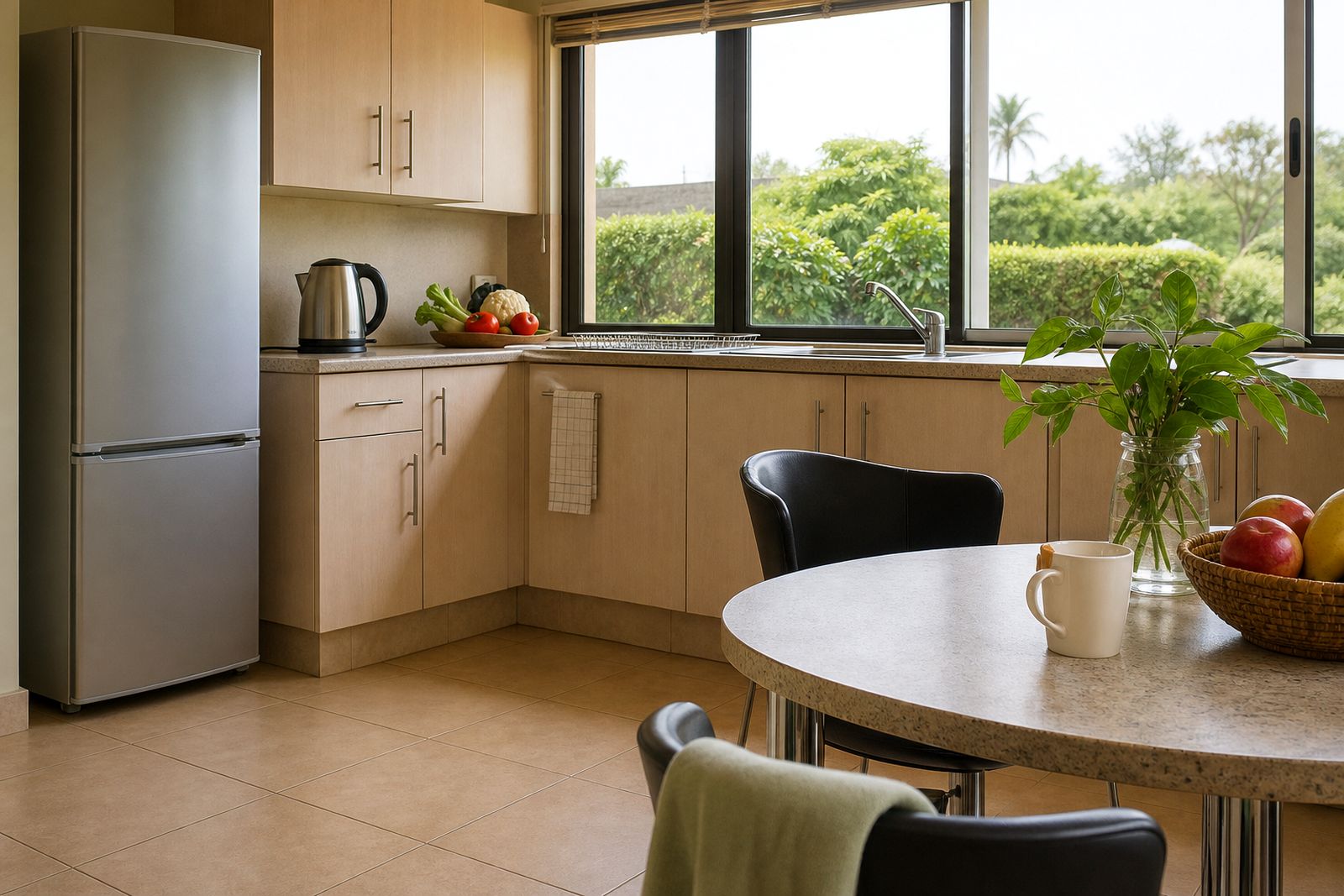
- Kitchen details such as fridge size, freezer space, hob, oven or microwave.
- Notes on kettle, cookware, food storage containers and washing-up area where available.
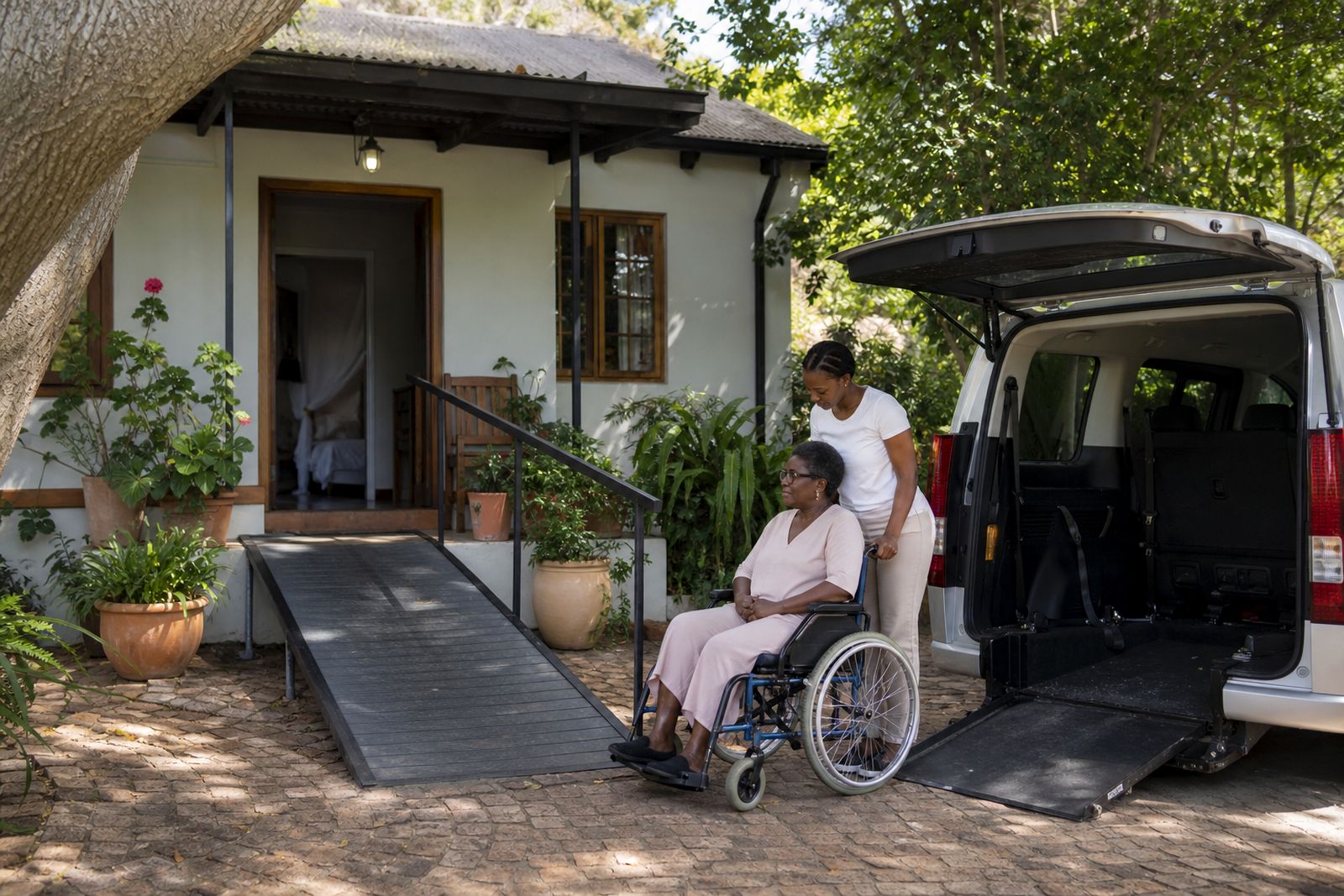
- Information on stairs, lift access, walk-in showers and general room access if needed.
- Transfer planning for airport arrivals, local movements and session days.
- Trip notes to help you plan groceries, cooler bags and simple first-night meals.
Where relevant, we also flag practical conditions such as coastal humidity, which can affect how dry goods are stored, and power cut planning, especially if you need to keep food chilled properly. In the Lowveld summer heat, a reliable fridge and sensible shopping schedule can matter more than people expect.
How the planning process works step by step
The process starts when you send an enquiry through our contact page. We then work through your destination, dates, mobility needs and general accommodation preferences. We keep the medical side general and we do not assess fitness to travel. That remains with your renal team.
- You send an enquiry with your preferred destination, travel window and whether you want coast, Garden Route or Lowveld options.
- We ask a few practical questions about kitchen needs, transfer needs and whether you are travelling with a companion.
- Your own renal unit contacts the host unit to request treatment slots directly.
- Once treatment timing is clearer, we narrow down suitable self-catering options nearby.
- We share planning notes on transfers, grocery stops and trip checklists.
- Before travel, we confirm the stay details, local transport plan and session day timing as far as possible.
If peak season affects route times or accommodation choice, we tell you early so you can plan with more breathing room. On coastal routes, school holidays and long weekends can shift transfer timing quite a bit, so we build that into the itinerary where possible.
What you should prepare before travelling
Good preparation usually makes the biggest difference. We recommend having your travel notes, treatment confirmations and meal planning basics in order before you leave home. That means fewer rushed decisions on arrival and a steadier first day, especially if you are flying in and heading to a session soon after.
- Your renal unit contact details and host unit confirmation details.
- Your treatment schedule and travel day timing.
- A simple grocery list for the first 24 to 48 hours.
- Notes on foods you usually tolerate well after dialysis.
- Any mobility or room access requirements for the stay and transfers.
- A small cooler bag if you expect a longer transfer from airport to accommodation.
It also helps to think about the kitchen rhythm you want. Some travellers prefer full meal prep in the unit, others just need breakfast basics and one cooked evening meal. If you tell us that early we can filter options more usefully, and avoid places that look fine on paper but are awkward in practice.
How pricing is worked out
We do not publish set prices on this page because each trip depends on destination, season, transfer distances and the type of accommodation that fits your needs. A compact studio near a coastal unit is priced differently from a larger self-catering apartment with step-free access and longer airport transfers.
In general, the total cost is shaped by the accommodation category, the length of stay, the area you choose, whether you need airport pickups, and whether session day transport is required. Peak holiday periods usually reduce choice and can affect rates. Accessibility features, ground-floor layouts and proximity to dialysis can also influence the final quote a bit.
We explain the cost structure in plain terms before you go ahead, so you can compare options properly. Treatment costs are not included or handled by us, and any treatment arrangements remain directly between the traveller own renal unit and the host unit.
Support before arrival and during your stay
Once your accommodation and transport plan are in place, we send practical trip notes so you know what to expect on arrival. These notes can include check-in timing, grocery stop suggestions, transfer timing and reminders for session days. We keep the focus on logistics and comfort rather than medical advice.
If there is a travel-day change affecting pickups or your route to the accommodation, we assist with the planning side so the itinerary still makes sense. We can also help you review whether a different stay layout would better suit a longer visit, for example if the original kitchen setup is too limited for regular meal prep.
After arrival, support is mainly about the stay logistics and transport plan. Any treatment issues, schedule changes or clinical questions must go directly through the renal teams. That division is important, and it keeps each part of the trip handled by the right people.
What our Dialysis Holiday Planning customers say
Verified Google reviews
Questions we get asked
Do you book dialysis sessions for the trip?
No. Treatment slots must always be arranged directly between your own renal unit and the host unit, and your renal team decides whether travel is suitable.
Can you help if I need an accessible self-catering unit?
Yes. We can prioritise ground-floor options, lift access, easier bathroom layouts and practical transfer arrangements, depending on the area and what is available.
What if I only need a simple kitchen and not full self-catering?
That is fine. Tell us whether you only need basics such as a fridge, microwave and kettle, or whether you want a fuller cooking setup, then we shortlist accordingly.
Also worth a look


Plan a holiday that fits your sessions
Send a note through our contact form with where you would like to go, roughly when, and who is travelling, and we will start a trip plan with you.
Open the contact form